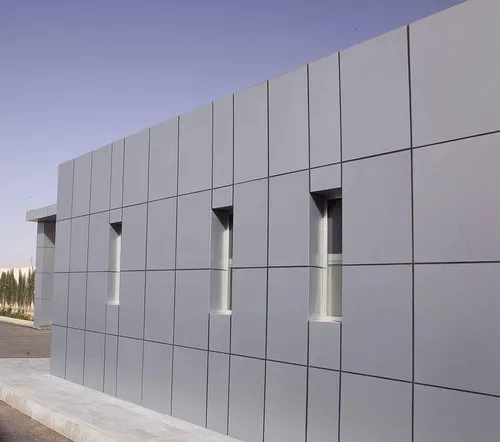
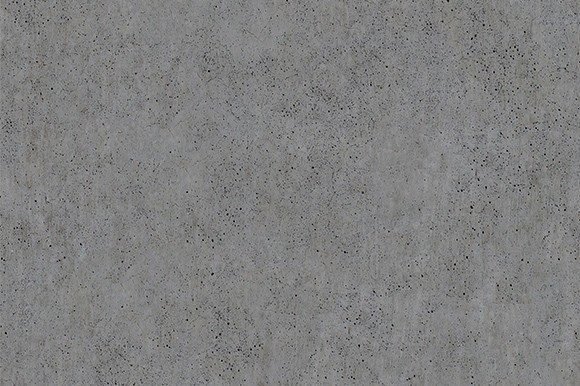
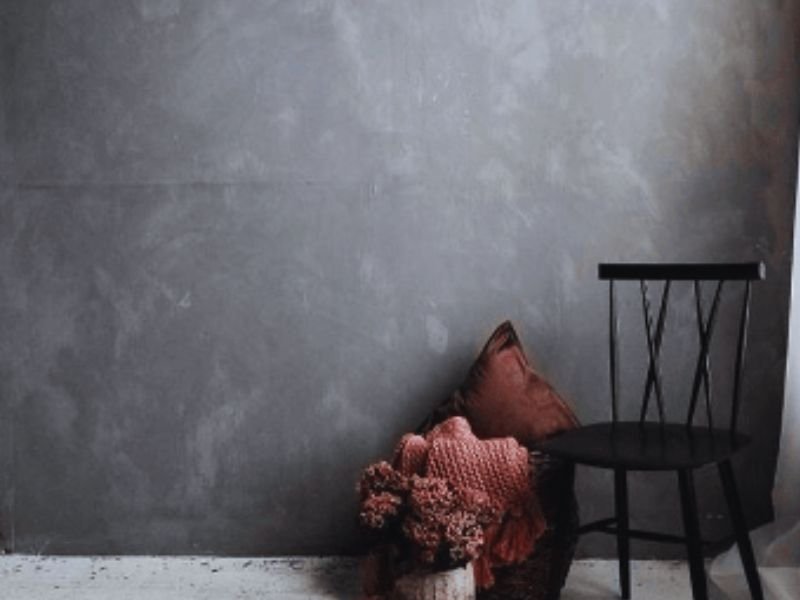
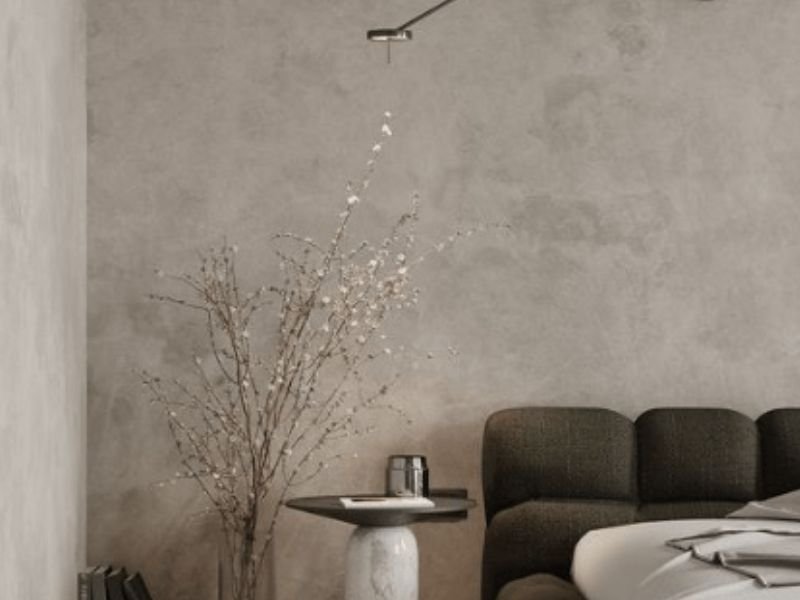
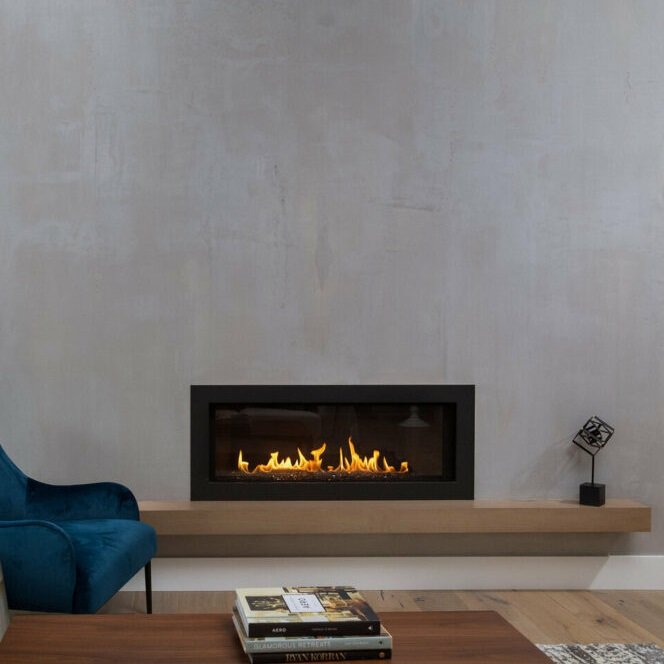
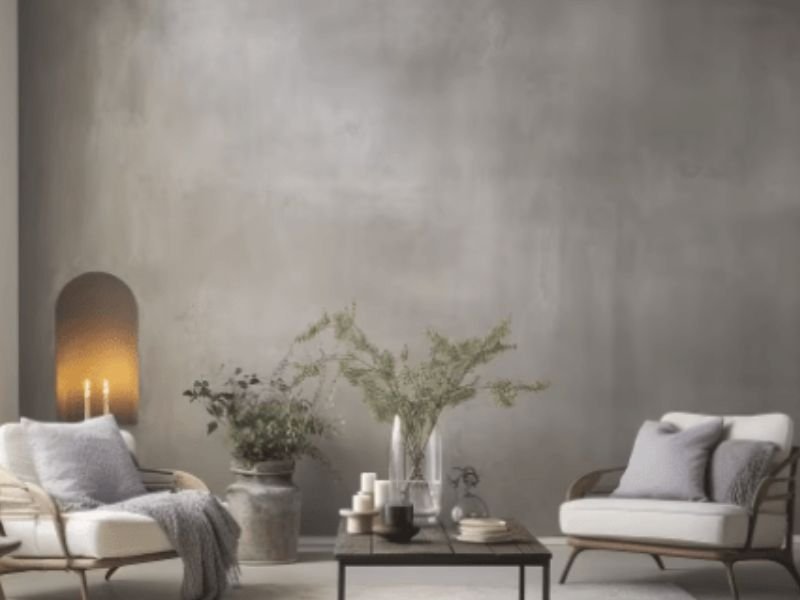
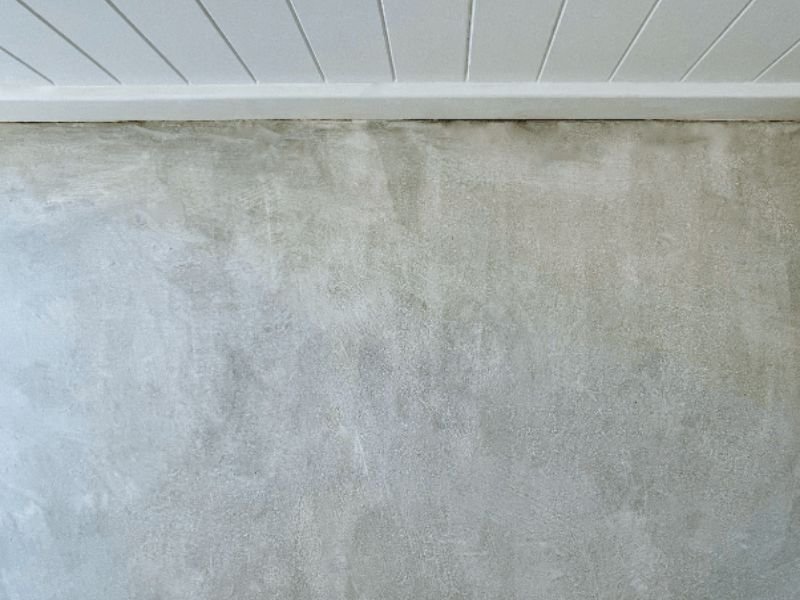
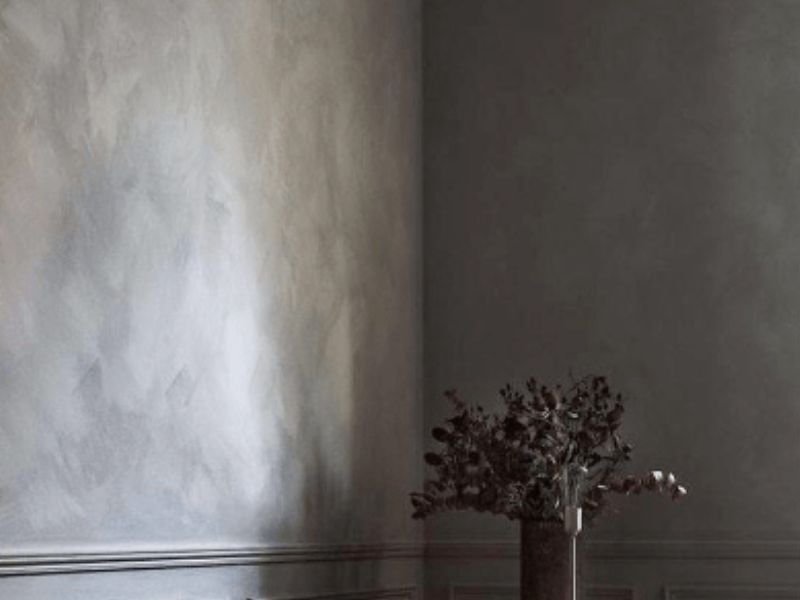
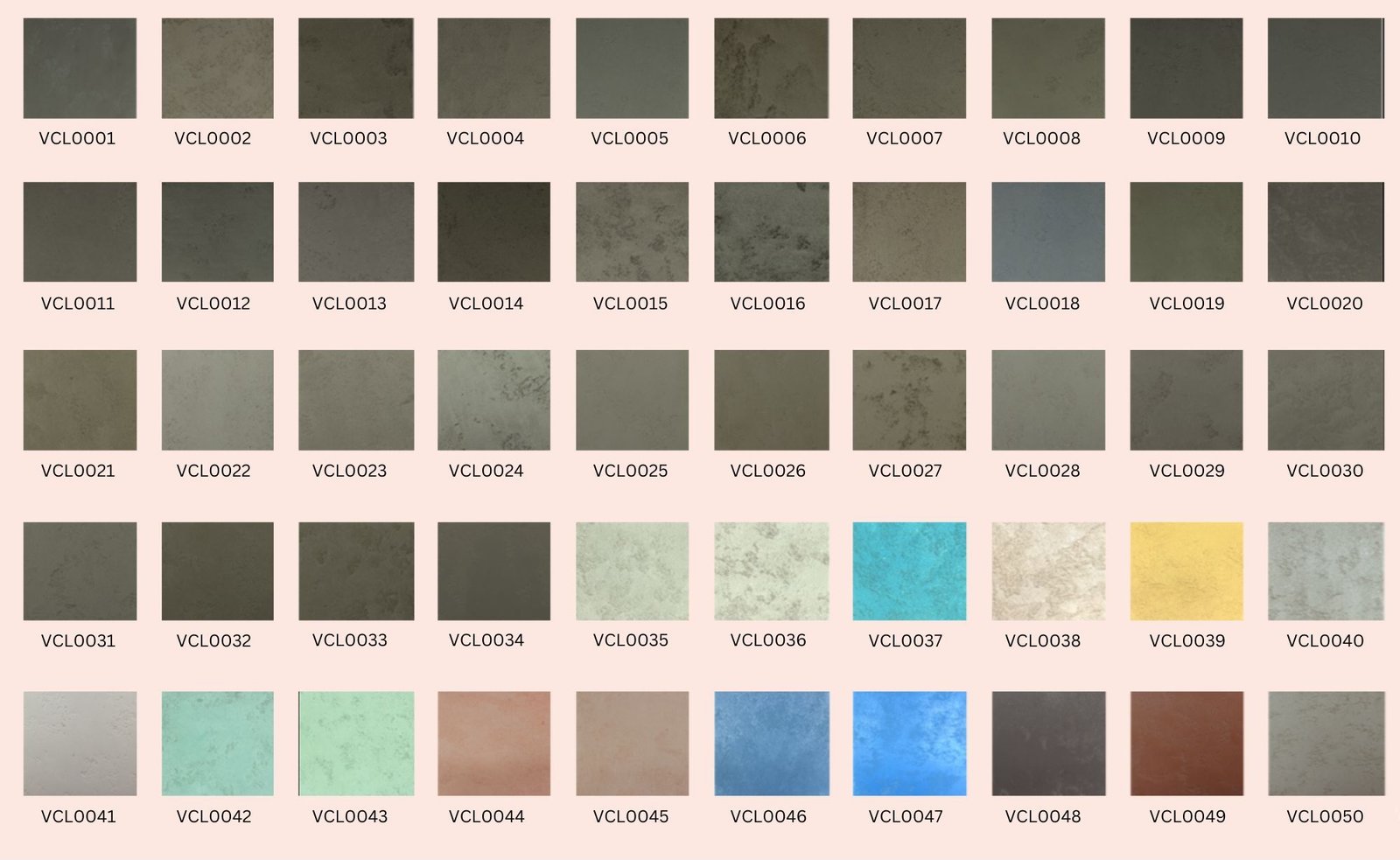
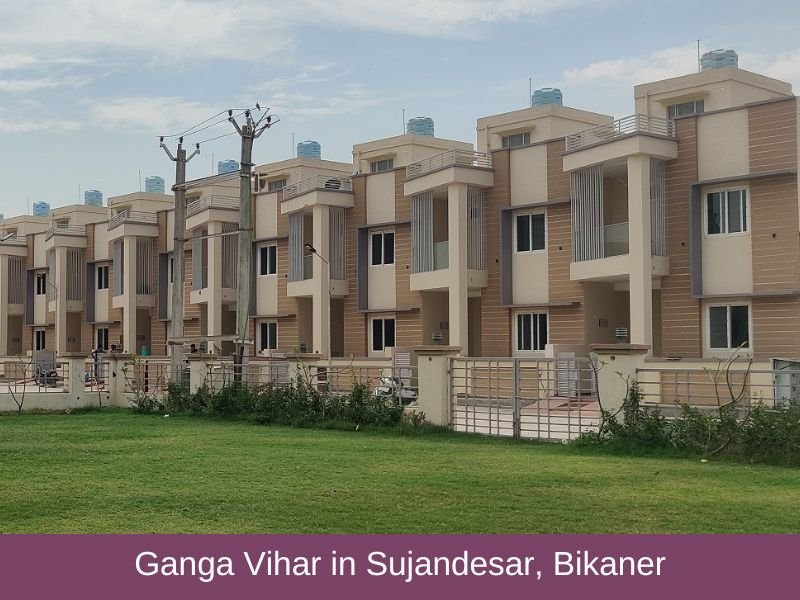
Proper surface preparation and correct application technique are essential to achieve the best result. The final appearance depends on the base condition, applicator skill, tool movement, drying time, and protective coating.
Step 1: Surface Inspection
Before application, inspect the wall surface carefully. The surface should be clean, dry, stable, and free from dust, oil, loose paint, moisture, cracks, fungus, or seepage. Any existing wall defects should be repaired before starting the texture process.
Step 2: Surface Preparation
Remove loose particles, old flaking paint, and uneven patches. Fill cracks, holes, and dents using suitable wall filler or repair material. Sand the surface to create a smooth and stable base. Proper preparation helps achieve better adhesion and a cleaner final finish.
Step 3: Primer Application
Apply the recommended primer suitable for the base surface. Primer helps seal the wall, improves bonding, and creates a uniform base for the texture coat. Allow the primer to dry completely before applying the texture.
Step 4: Base Coat or Levelling Coat
If required, apply a base coat to create uniformity and prepare the surface for the decorative layer. This step is especially useful when the wall has colour variation, roughness, or absorption differences.
Step 5: First Texture Coat
Apply the first coat of Veeta Concrete Texture using a stainless steel trowel or recommended application tool. Spread the material evenly across the surface. Keep the thickness consistent and use controlled hand movements to create the desired concrete effect.
Step 6: Second Coat and Design Formation
Once the first coat is dry, apply the second coat if required. Use trowel strokes, soft pressing, cross movements, or finishing techniques to create the final concrete pattern. The applicator can create smooth, raw, cloudy, or layered effects depending on the design requirement.
Step 7: Sanding and Refinement
After drying, lightly sand or refine the surface if needed. This helps remove unwanted roughness and improves the final touch. Care should be taken not to over-sand the texture effect.
Step 8: Protective Topcoat
Apply the recommended protective coat or sealer, especially for exterior surfaces, high-touch areas, commercial spaces, kitchens, passages, or walls that require better cleanability. The topcoat enhances durability and helps protect the finish from dust, moisture, and stains.